Psychodynamic Hermetics—Understanding Trauma and Transformation
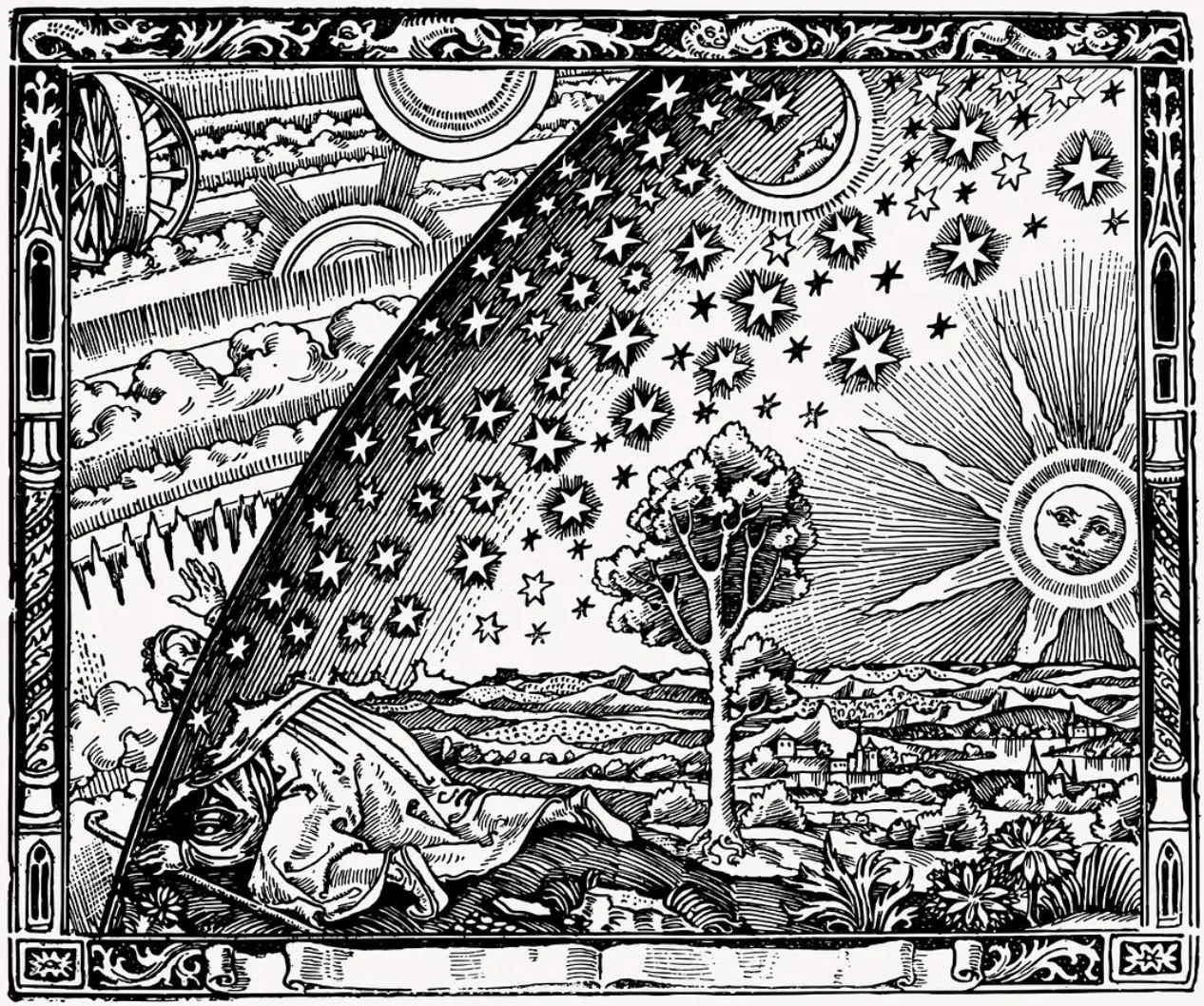
“As above, so below” is not mysticism; it is projection, transference, symbolic patterning. The inner world organizes the outer experience. It does not surprise me, then, when a client’s dream life becomes suddenly vivid the week we begin touching childhood injury, or when a long-forgotten friend appears in the dreamscape the day after we discuss early slights. I do not treat those moments as coincidence. I don’t believe in coincidences. I see the psyche attempting coherence. Hermeticism—properly de-wooed—is not incense and esoteric posturing. In the therapy room it is a disciplined framework for understanding transformation.
Through an integrated approach—conscious and unconscious, symbolic and real—I aim to give clients permission to be exactly where they are, right then and there in the chair. Not fixed. Not performing insight. Just present. When the symbolic material is taken seriously and the concrete realities of their lives are addressed without distortion, something stabilizes. From that stability, movement becomes possible.
Psychotherapy, at its best, is this disciplined alchemy. Chaos becomes language. Reaction becomes reflection. Survival strategy becomes insight.
Clients are often surprised by my candor. I am not a piece of cardboard nodding from behind a clipboard. This is not disclosure for effect. It is recognition. When someone sits across from me caught in addiction, reenacting attachment wounds, or spiraling in anxiety, I am not startled and not superior. I understand how the psyche organizes around hurt. The work is shared but not symmetrical. I offer containment where there was fragmentation. I offer language where there was silence. I do not bring unresolved pain into the room. I bring metabolized pain. I know depression, childhood injury, anxiety, substance misuse—not as abstractions but as lived terrain. I know how defenses form. I know how shame hardens. I know how anger protects grief. That knowledge is integrated, not active. It allows steadiness.
Transformation, then, is not symptom suppression. It is reorganization. Resistance is protective structure. Transference is the crucible. Insight is refinement. Symptoms are not random glitches; they are signals pointing toward integration. Conflict is not defect but the psyche attempting coherence. That is where real change begins.